

How to Sell a Home on Long Island
A practical guide to preparing, pricing, marketing, negotiating, and successfully navigating the home selling process across Nassau and Suffolk Counties.
Selling a Home on Long Island Starts With the Right Strategy
Selling a home is not simply a matter of putting a property online and waiting for an offer. The decisions made before the home reaches the market can affect buyer interest, negotiating leverage, the strength of the offers you receive, and ultimately the outcome of the sale.
Long Island is also not one single real estate market. Buyer demand, inventory, property types, taxes, lot characteristics, municipal requirements, and pricing patterns can vary considerably from one community to another. A successful selling plan should take both the individual property and its specific market into account.
What Long Island Home Sellers Should Expect
Every transaction is different, but most successful sales move through a similar series of decisions and milestones.
Understand Your Market
Review recent sales, current competition, buyer activity, property characteristics, and current market conditions.
Prepare the Property
Decide which repairs, improvements, presentation changes, and preparation steps are actually worth completing before listing.
Price & Launch
Establish a pricing position and introduce the property to the market with professional presentation and broad buyer exposure.
Negotiate & Close
Evaluate offers, manage negotiations, navigate appraisal and contract milestones, and move the transaction toward closing.
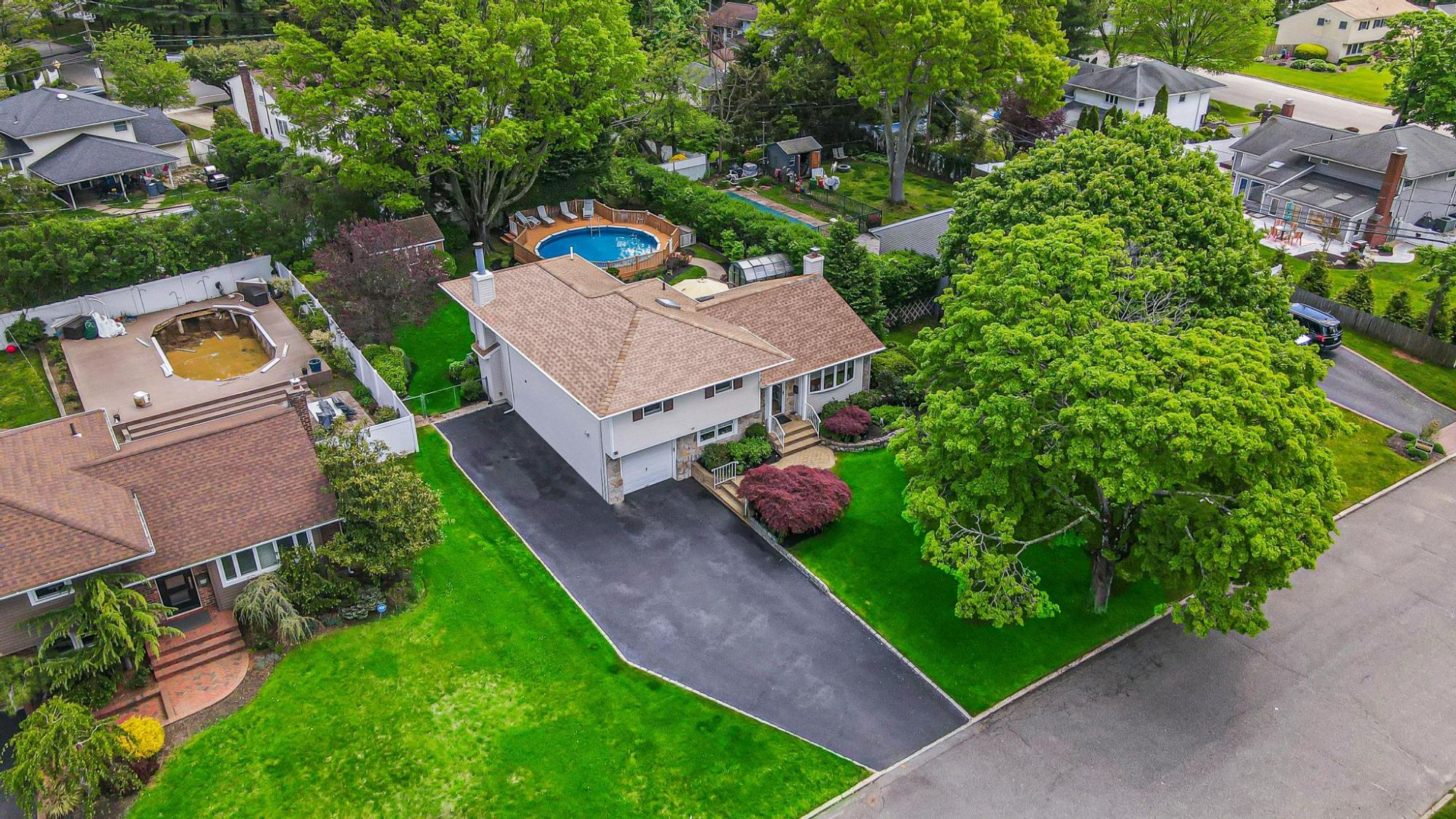
Understand What Your Long Island Home Is Worth
Online estimates can provide a starting point, but determining how a property should be positioned for sale requires a closer look at the actual market.
Recent comparable sales matter, but so do the homes currently competing for the same buyers. Property condition, location, lot characteristics, renovations, taxes, available inventory, buyer demand, and the price ranges where buyers are most active can all influence the strategy.

Prepare Your Home Without Overspending
Sellers often assume they need to renovate extensively before going on the market. That is not always the case.
Before spending money, consider how each improvement may affect presentation, marketability, buyer perception, and the likely return. Some properties benefit from repairs or cosmetic improvements. Others may be better positioned and marketed in their existing condition.
Common areas to review before listing
The objective is not to make every home perfect. It is to determine which steps can make the property easier for buyers to understand, appreciate, and confidently evaluate.

Professional Marketing Should Tell the Story of the Property
Buyers often form their first impression of a home before they ever schedule a showing. Photography, property presentation, listing information, online distribution, and the way individual features are highlighted all influence that first impression.
Effective real estate marketing should do more than generate views. It should help the right buyers understand why the property deserves their attention.

Make Showings Easy for Buyers to Evaluate
Once a property is live, the market begins giving you information. Showing activity, buyer questions, repeat visits, agent feedback, competing listings, and ultimately offers can help indicate how buyers are responding to the property's price and presentation.
The goal during the showing period is to make the property accessible, present it consistently, and monitor the market response without overreacting to a single comment or showing.
Open houses can be useful for increasing access and concentrating buyer activity, but they are one component of the marketing plan rather than the entire strategy.
Evaluate the Entire Offer, Not Just the Price
The highest number on paper is not automatically the strongest offer. Sellers should understand both the financial terms and the potential risks associated with each proposal.
Price & Financing
Review the offered price together with financing type, down payment, lender strength, available documentation, and the buyer's overall financial position.
Terms & Timing
Closing expectations, contingencies, inclusions, exclusions, and other requested terms can materially affect an offer.
Risk & Appraisal
A strong price still needs to be considered alongside appraisal risk, financing requirements, and the likelihood that the buyer can complete the transaction as proposed.
From Accepted Offer to Contract
An accepted offer is an important milestone, but there are still several steps before closing.
On Long Island, once an offer is accepted, the seller's attorney typically prepares the contract of sale, and the attorneys work through the contract terms and related documents before the transaction moves forward under a signed contract.
Sellers should rely on their own attorney for legal guidance and questions involving contracts, title, disclosures, property rights, or other legal matters.
Long Island Property Records Matter
Long Island contains many different towns, villages, and cities, and property records and municipal requirements can vary by location.
Before listing, it can be useful to understand whether additions, finished areas, pools, decks, accessory structures, conversions, or other improvements have the permits or approvals required by the applicable municipality.
Identifying potential issues earlier can give the seller and attorney more time to understand the available options instead of discovering them later in the transaction.

Appraisal, Financing, Title, and Closing
If the buyer is financing the purchase, the lender may require an appraisal. The buyer's financing process continues while attorneys, lenders, title professionals, and the parties work through the remaining transaction requirements.
Property or title issues may also need to be addressed before closing. The exact requirements depend on the property, contract, municipality, financing, and other circumstances.
As closing approaches, your attorney will guide you through the legal documents, closing figures, transfer requirements, and other matters within the attorney's role.
The objective throughout this stage is straightforward: keep the transaction organized, communicate quickly when issues arise, and continue moving each required step toward closing.
There Is No Single Long Island Real Estate Market
A home on the North Shore may compete in a very different buyer market from a property on the South Shore, in central Suffolk, Nassau County, the North Fork, or the East End.
That is why pricing and marketing decisions should be made at the local level. The most relevant comparable sales, current listings, buyer activity, property characteristics, and market trends should guide the strategy for the individual home.
As additional local seller resources are developed, this guide will connect homeowners directly with information for different Long Island markets.
Selling on the North Shore? Explore North Shore Home Selling.
Common Home Selling Mistakes to Avoid
Pricing From Emotion
What a seller needs or hopes to receive is different from how buyers are currently evaluating competing properties.
Over Improving
Spending heavily before listing does not guarantee that every dollar invested will be returned through the sale.
Ignoring Early Market Feedback
The first group of active buyers can provide valuable information about pricing, presentation, competition, and overall market response.
Focusing Only on Offer Price
Financing, contingencies, appraisal exposure, timing, and other terms can materially affect the strength of an offer.
Waiting to Review Property Issues
Permit, title, municipal, or property record questions are generally easier to investigate earlier than immediately before closing.
Using One Strategy Everywhere
Long Island markets vary. The selling plan should reflect the specific property, competition, location, and current buyer activity.
Long Island Home Seller FAQs
Common questions homeowners ask when considering a sale.
How do I know what my Long Island home is worth?
A useful pricing analysis considers recent comparable sales, current competing homes, property condition, renovations, location, lot and property characteristics, taxes, inventory, and current buyer demand. Online estimates can be useful as a starting point, but they do not replace an individual market analysis.
When is the best time to sell a home on Long Island?
There is no single best month for every homeowner. Seasonality, inventory, buyer demand, interest rates, competing listings, the property's condition, and the seller's own timing should all be considered before choosing a launch date.
Should I renovate before putting my home on the market?
Not necessarily. Some improvements can improve presentation or marketability, while others may not provide a worthwhile return. The best approach is to review the property, competition, buyer expectations, and likely cost before deciding where to spend money.
How should I price my home?
Pricing should be based on relevant comparable sales, active competition, current buyer behavior, property characteristics, condition, market activity, and the seller's objectives. The goal is to position the property where buyers recognize its value while preserving negotiating leverage.
Do I need an attorney when selling a home in New York?
Attorneys play an important role in New York residential real estate transactions, particularly in the contract, title, and closing process. Sellers should retain their own attorney and direct legal, contract, disclosure, tax, title, and property-right questions to that attorney.
What should I check about permits or property records before selling?
If the property has additions, conversions, finished areas, pools, decks, accessory structures, or other improvements, it can be useful to understand the municipal records and approvals associated with those improvements. Requirements differ by municipality, so specific questions should be reviewed with the appropriate professionals and local municipality.
What happens after I accept an offer?
On Long Island, an accepted offer is generally followed by attorney and contract work, followed by financing, appraisal when applicable, title work, and other contractual requirements. The exact sequence and timing can vary depending on the transaction.
Start With a Personalized Look at Your Home and Market
Every property and every seller's situation is different. Get a personalized look at your home's market position, current competition, buyer activity, and the selling strategy that may make the most sense for your goals.
This guide provides general real estate information and is not legal, tax, lending, inspection, or other professional advice. Requirements and circumstances vary by property and transaction. Consult the appropriate licensed professionals regarding your individual situation.